
Author: Dianne DeLongchamps
What can I do this fall to prevent vole damage to my Northern Colorado lawn?
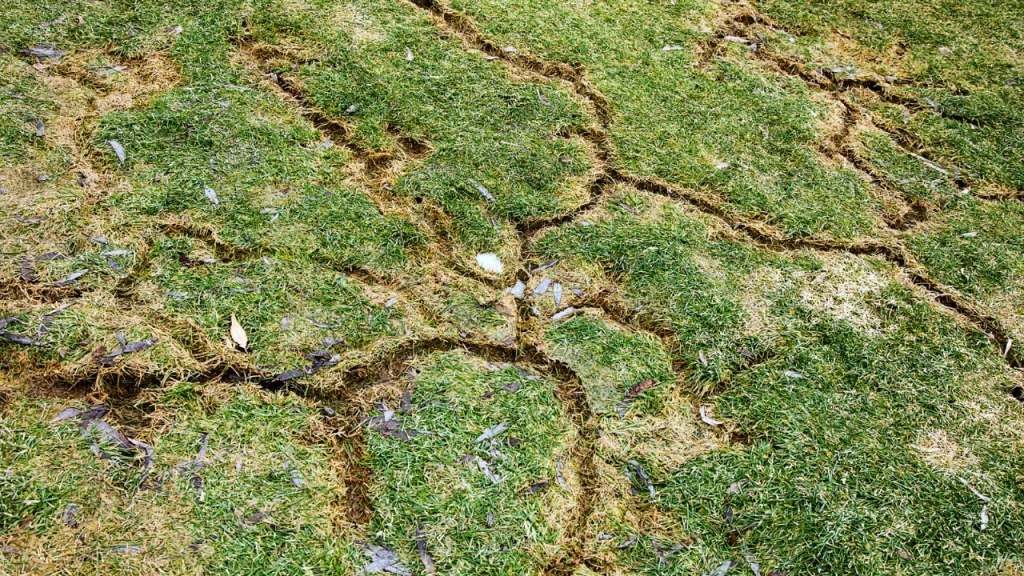
Fall is the time to act, because CSU Extension says most vole damage happens in winter, when voles travel through grass runways under the protection of snow. The fall steps from CSU Extension and PlantTalk Colorado all come before the snow: remove cover, guard young trees and shrubs, set traps, and keep piled snow off the edges of your lawn.
CSU Extension’s Managing Voles in Colorado fact sheet says the meadow vole lives in damp marshy areas, wet meadows, and riparian corridors, and the prairie vole lives in grasslands and along streams and irrigated lands in eastern Colorado. The fact sheet says voles often damage lawns and golf courses. Luke DeLongchamps, one of our owners, says voles tend to show up in newer neighborhoods or neighborhoods that border green space.
Voles are small rodents, and CSU Extension says eight species live in Colorado. PlantTalk Colorado says the one most likely to turn up in a city yard is the meadow vole. That makes this a fall job for homeowners in Fort Collins, Windsor, and Timnath, because the work has to be finished before the first lasting snow.
Why fall is the time
CSU says the greatest vole damage seems to coincide with years of heavy snowfall. PlantTalk Colorado says persistent snow cover hides voles from predators, and it says damage is worse where snow cover lasts several weeks, such as shaded areas or places where snow is piled. Vole numbers also move in cycles. CSU says their numbers generally peak every three to five years, so a yard can go several winters with little trouble and then have a bad one.
What voles go after
PlantTalk Colorado says voles eat turfgrass, and they also feed on the stems and bark of shrubs and trees, vegetable seedlings, root crops, bulbs, and perennials such as hostas. Heavy feeding can girdle and kill trees. PlantTalk adds that junipers along the Front Range are often affected, so the steps below cover the lawn and the plants around it.
Take away their hiding places
PlantTalk Colorado’s advice is to discourage voles by eliminating places for them to hide and reproduce, and another PlantTalk page describes tall grass as a safe haven for voles. The habitat steps it lists for a home landscape are:
- Mow tall grass in natural areas next to your lawn in the fall.
- Avoid landscape fabric, which PlantTalk says voles favor.
- Pull mulch away from the bases of trees and shrubs.
CSU also lists clearing vegetation in a 2-foot radius around fruit tree trunks in summer.
Protect trees and shrubs
Vole damage is easy to miss on woody plants. CSU describes it as patches of irregular gnaw marks about 1/16 to 1/8 inch wide, and it says gnawed stems may have a pointed tip. PlantTalk says junipers and other shrubs or trees that look like they have a drought or disease problem should be checked at the base for this kind of injury.
To protect young trees and shrubs, CSU says to encircle them with 1/4-inch mesh hardware cloth or 3-inch Vexar plastic-mesh cylinders. The barrier should reach 18 inches above the ground and 3 to 6 inches below the surface. PlantTalk says to install tree guards in the fall, and that wire mesh can also protect valued perennials.
Keep snow off the edges of your lawn
PlantTalk says to remove persistent snow from the edges of north-facing and east-facing lawns. That is easier if you decide ahead of time where shoveled and plowed snow will go, because PlantTalk also names places where snow is piled during removal as spots where turf damage is more severe.
Set traps in the fall
CSU’s Managing Voles fact sheet says to set snap traps in the fall. It says to place each trap perpendicular to a runway with the trigger end in the runway, and it baits traps with a small amount of rolled oats or peanut butter. PlantTalk describes an unbaited mousetrap placed on a vole trail or near a hole, and it says covering the trap with a length of gutter or a tunnel keeps pets away. CSU says trapping is not practical for controlling voles in large areas or on large populations.
PlantTalk advises taking special care when handling and disposing of dead voles, because voles can be heavily infected with the bacterium that causes tularemia in humans and other mammals.
What CSU says about repellents and poison baits
CSU’s fact sheet says repellents are relatively expensive, give only short-term protection, and may wash off in rain. PlantTalk says repellents are largely ineffective because they do not last long, and that they often just move voles to another part of your landscape. CSU calls zinc phosphide, one of the poison baits, extremely toxic. PlantTalk says anticoagulant baits can work but require vigilance and pose risks to children, pets, and wildlife that are not the target.
What to expect in spring
PlantTalk Colorado says lawns damaged by voles usually recover in spring. Telling vole damage from pocket gopher damage is covered in our post on whether voles or pocket gophers are tearing up your lawn. If you are not sure whether the damage on your lawn in Fort Collins, Windsor, or Timnath comes from voles, Clean Air Lawn Care is happy to take a look.
If you are not sure whether your lawn has vole damage, we’re happy to take a look.
Clean Air Lawn Care Northern Colorado is owned by Dianne, Paul, and Luke DeLongchamps — a family business serving Fort Collins, Windsor, and Timnath with organic lawn treatments and solar-powered electric equipment.

