
Author: Dianne DeLongchamps
How fast are Fort Collins, Windsor, and Timnath growing, and what does that mean for your lawn?
Windsor and Timnath are growing much faster than Fort Collins. U.S. Census Bureau figures show Fort Collins up about 1% since 2020, Windsor up 34%, and Timnath up 78.5%. Faster growth means more freshly built lots, and a lawn on a freshly built lot needs different first-season care than a lawn that has had decades to settle.
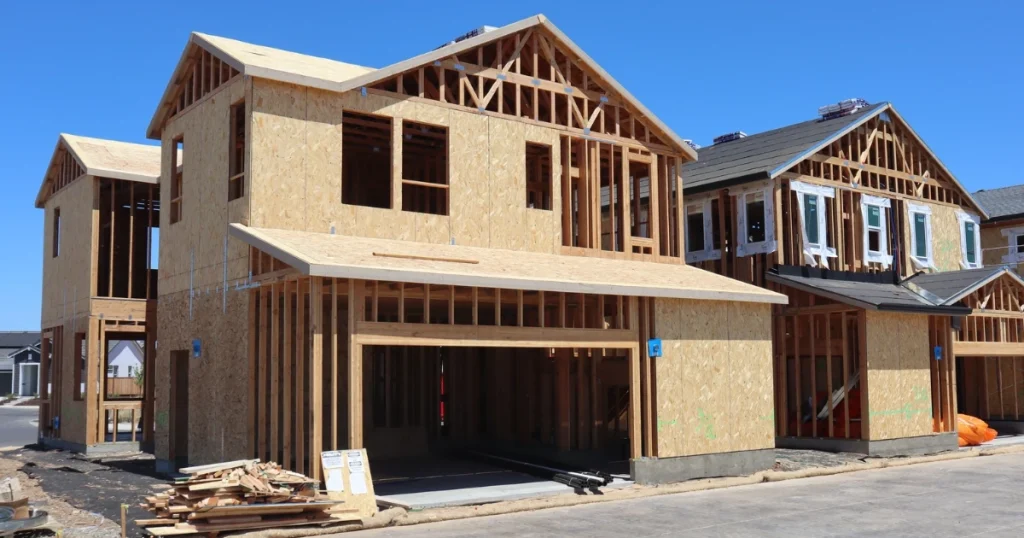
Luke sees the difference in new-build neighborhoods. Soil gets compacted and stripped of nutrients during construction, the fertile topsoil is often buried under sterile fill, and sod is often laid with little to no soil amending, so the lawn struggles from day one and weeds move in.
The exact figures: Fort Collins grew from 169,810 residents in the 2020 census to an estimated 171,500 as of July 1, 2025, roughly 1%. Windsor grew from 32,716 to an estimated 43,840 over the same years, a 34% increase. Timnath grew from 6,487 to an estimated 11,600, a 78.5% increase in about five years.
In raw numbers, the picture shifts a little. Using those same figures, Windsor added about 11,100 residents, Timnath about 5,100, and Fort Collins about 1,700. Timnath leads on percentage because it started small, while Windsor added the most people. The Census Bureau also notes that its percent changes are calculated from an April 1, 2020 estimates base, which differs slightly from the 2020 census count in each town.
Why new construction changes what a lawn needs
Building a house disturbs the ground before any grass goes in. Heavy equipment and foot traffic during construction press the soil down hard. PlantTalk Colorado says aeration “reduces soil compaction and helps control thatch in lawns while helping water and fertilizer move into the root zone.” Because Timnath and Windsor have added so many new lots recently, a much bigger share of their lawns have been through that construction disturbance than the typical Fort Collins lawn has.
An older, established Fort Collins lawn has usually already worked past any original construction compaction on its own, over the years. Its more common issues run toward thatch buildup, shade from mature trees that weren’t there when the lawn was young, or the leftover effects of whatever fertilizing program was used on it before us. Newer lawns and older lawns aren’t better or worse, they’re just working through different problems, and an organic program adjusts to whichever one is in front of it.
What CSU says about starting a new lawn
The soil work that happens before the grass goes in matters most for a new lot. PlantTalk Colorado’s guide to sodding a lawn says “if soil is compacted, cultivate soil to a depth of 12 inches.” The guide starts with the site itself: remove debris, make any permanent grade changes so drainage moves away from foundations, and avoid working wet soil, since it can clump. It also recommends a basic soil test to determine fertility requirements, and adding three to five cubic yards of organic matter per 1,000 square feet, such as decomposed manure, compost, or sphagnum peat moss, tilled into the top six to eight inches.
The guide also says to wet the top six to eight inches of soil several days before the sod arrives, so the soil is slightly moist when the sod goes down but not wet enough to severely compact it. After the sod goes down, the same guide says it should root within two to three weeks, which you can check by gently tugging it. After that, it says to water less often but with more water per session to encourage deeper roots. For aeration timing, PlantTalk says a lawn can be aerated “at any time the ground is not frozen, but should not be done when it is extremely hot and dry,” and that spring and fall are considered the best times.
If you just moved into new construction
If you’ve recently closed on a new build in Windsor or Timnath, the most useful thing you can do early is start an organic fertilizing and soil-building program right away, instead of waiting to see how the lawn does on its own first. Building healthy soil from close to the beginning tends to produce a sturdier lawn than trying to fix years of compaction or synthetic dependency later.
If you’re in an established Fort Collins neighborhood
If your lawn has been there for years, the growth numbers above don’t apply to your situation directly, but they explain why some lawn care advice aimed at “new Northern Colorado lawns” doesn’t fully fit yours. An established lawn generally benefits more from steady organic fertilizing that builds on what’s already there than from the more intensive soil-recovery work a newer lot might need.
A lower-chemical yard isn’t just about how your own lawn looks, it genuinely connects to the bees and butterflies working the whole neighborhood.
Clean Air Lawn Care Northern Colorado is owned by Dianne, Paul, and Luke DeLongchamps — a family business serving Fort Collins, Windsor, and Timnath with organic lawn treatments and solar-powered electric equipment.

