
How do I know if my lawn problem is a simple DIY fix or worth calling a professional?
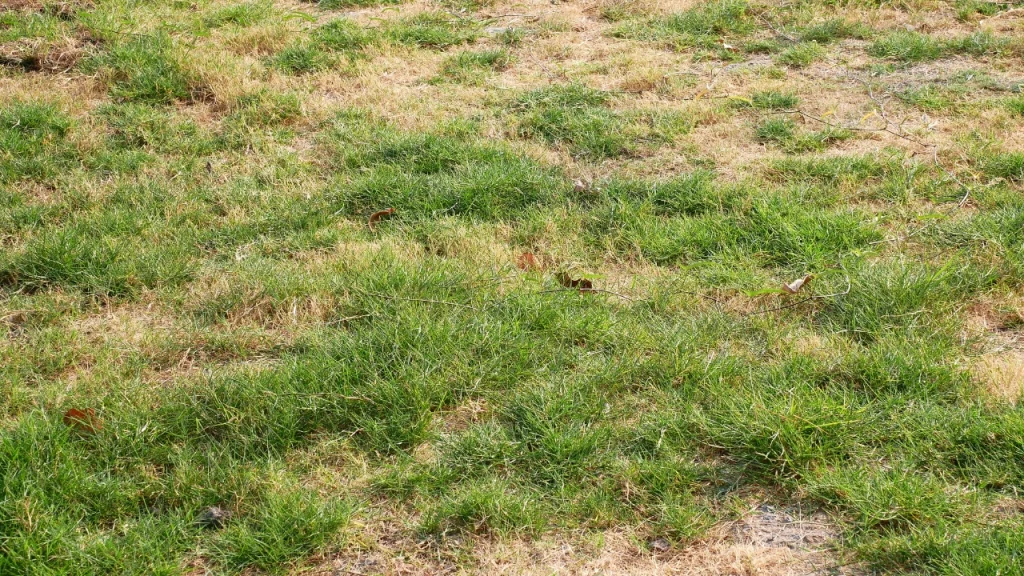
Small, clearly identified problems, one dry patch under a sprinkler gap, or a handful of dandelions you can name with confidence, are usually fine to handle yourself. Anything spreading week over week, anything you can’t confidently identify, or anything that might be happening below the surface is worth a professional look before you spend money guessing. Fall makes this harder than usual, because several different problems, disease, drought stress, compaction, and early winter-prep stress, can all leave similar-looking brown or thin patches at the same time of year.
Luke DeLongchamps has walked hundreds of yards across Fort Collins, Windsor, and Timnath, and the pattern he sees most is a homeowner who tried two or three products on the same spot over two or three years before finally getting a real answer. CSU Extension’s own lawn care guidance backs up the value of starting with real information instead of a guess. It points people toward the CSU Soil, Water and Plant Testing Laboratory, an independent public lab, when the cause of a problem isn’t obvious. Clean Air Lawn Care doesn’t perform soil testing itself. Luke’s diagnosis comes from walking the yard in person and asking questions before recommending anything.
Good candidates for handling yourself
- A small, clearly caused patch of damage, from a dog, a dropped hose, or a forgotten bag of ice melt.
- A handful of weeds you can identify with confidence, like a few dandelions in one corner.
- A minor mowing height or frequency change. There’s no need to mow shorter in late fall than any other time of year, and that alone fixes some lawns.
- A small thinning spot in one sunny area that you can overseed and keep consistently moist yourself.
The most common misdiagnosis Luke sees
The single most common mix-up isn’t disease or pests. It’s watering. Luke’s experience walking Fort Collins, Windsor and Timnath yards is that homeowners often assume a brown or thin patch is a fungus or a pest problem, when it usually turns out to be a coverage issue, a sprinkler head not quite reaching that spot, or a zone running a little short. People search the symptom, land on a fungus or insect as the answer, and start treating for the wrong thing. Before buying any product, it’s worth standing at the edge of the brown spot during a normal watering cycle and watching where the spray actually lands.
Signs it’s worth a second opinion
- The problem is spreading, especially in a ring, streak, or growing circle.
- You already tried something and it didn’t work, or it came back worse.
- It covers a large share of the lawn, not just a corner.
- You genuinely can’t identify what’s causing it. Guessing with products can waste money and sometimes stress the lawn further.
- It might be a soil problem. Compacted soil, poor drainage, or a fungus living below the surface won’t respond to anything sprayed or spread on top.
- It shows up at the same time every year, which usually points to something underlying, soil, sprinkler coverage, or sun exposure, rather than bad luck.
A simple gut-check
Three questions cover most of it:
- Can I identify exactly what this is? If not, that’s reason enough to get a second opinion before buying a product.
- Is it getting bigger, or staying the same? A spreading pattern deserves faster attention than something staying put.
- Have I already tried something that didn’t help? One failed attempt is useful information, not a failure. It rules something out.
Why fall specifically trips people up
By this point in the season, you could be looking at leftover disease from a humid week, early drought stress from a hot stretch, the start of soil compaction showing up as a dry patch, or the beginning of a winterkill-prone area on a newly seeded lawn, and several of those can look nearly identical from the porch. That overlap is exactly why matching the symptom to the cause matters more in fall than it does in June, when there are simply fewer things it could be.
I hear some version of “I’ve tried everything” more in September and October than any other time of year, and it is never a silly thing to say. Most of the time it just means two or three different problems got blamed on one cause. If something is going on in your Fort Collins, Windsor or Timnath lawn that you can’t quite place, send us a photo. Luke can usually tell you in a few minutes whether it is a five-minute fix or something worth a closer look.
Clean Air Lawn Care Northern Colorado is owned by Dianne, Paul, and Luke DeLongchamps — a family business serving Fort Collins, Windsor, and Timnath with organic lawn treatments and solar-powered electric equipment.

