
Author: Dianne DeLongchamps
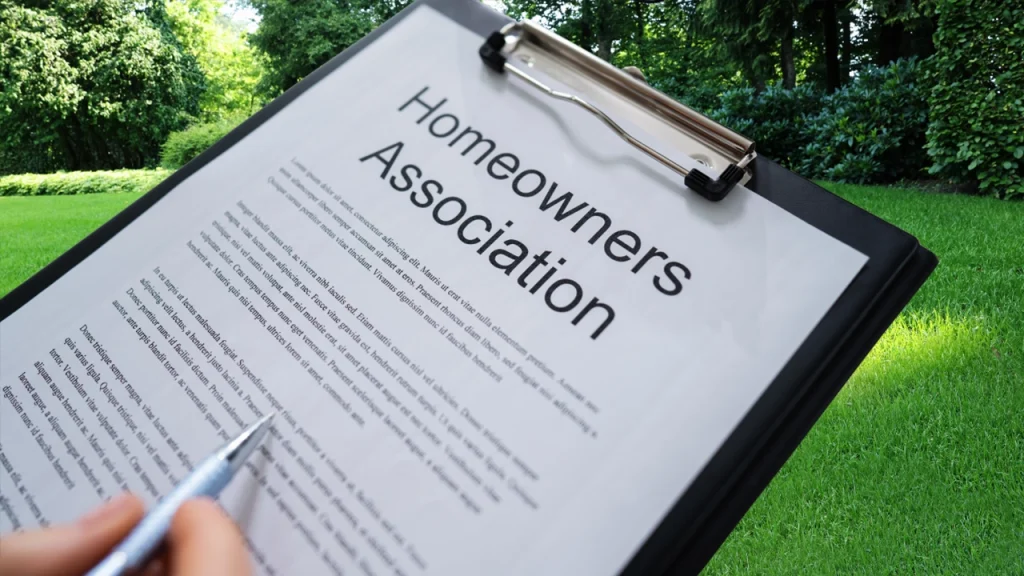
Do HOAs in Fort Collins, Windsor and Timnath allow organic lawn programs?
It depends on your HOA’s own rules. An organic program built around healthy soil and a bio-based weed approach can meet turf rules that ask for a certain look.
Luke says HOAs and property managers always ask for proof of insurance and a full product list that includes ingredients, and most commercial work goes through a bid process. The prospects he has bid for come with a prepared list of questions. They care most about the products used and how often we visit, and they ask a lot about the business itself, such as crew size and the equipment we own.
We work with homeowners across Fort Collins, Windsor, and Timnath. Our fertilizer is organic and microbe-based rather than a synthetic quick-release chemical. If your HOA has stated turf rules, tell us and we’ll work within them as part of our organic lawn treatment program.
HOAs are genuinely common in Colorado
Homeowners associations, officially called common interest communities, or CICs, under Colorado law, cover a large share of the state’s housing. The Colorado Division of Real Estate’s 2024 HOA Annual Report counted 8,362 active registered CICs and 11,527 total registrations (active plus expired) statewide, covering roughly 1,075,990 units. The division estimates that works out to about 45.8%, or roughly 46%, of Colorado’s population living in a CIC as of July 1, 2024, with active registrations climbing from 8,090 to 8,362 over the course of the year.
Where your HOA’s rules actually live
The answer for your own lawn is in your own HOA’s documents. The Division of Real Estate’s HOA Forum presentation on rights and responsibilities explains that a homeowner purchases a home subject to a declaration that is recorded against the title to the property. The presentation also refers to the bylaws, articles, and rules and regulations as part of an association’s governing documents. It notes that under Colorado law the association is responsible for maintaining the common elements, and each unit owner is responsible for maintaining their own unit. The presentation does not address lawns directly, so the landscaping language in your declaration and rules is the place to look.
Why Windsor and Timnath tend to have more HOA-governed lawns
HOAs usually get set up when a subdivision is first built, so newer developments have them far more often than older neighborhoods do. Windsor and Timnath have both added a lot of new subdivisions in the past several years, and a large share of that new construction came with HOA rules attached. Fort Collins has HOA communities too, especially in its newer areas, but it also has a much bigger stock of older neighborhoods that were built before HOAs were standard practice.
The timeline an HOA board should plan for
The one real adjustment an HOA board should understand before adopting an organic standard is timing. Synthetic, quick-release fertilizer can green up a lawn within days. An organic, microbe-based program builds soil health and turf thickness gradually, usually over a full growing season or more, before it fully matches that same look.
Luke puts it this way: full results build over more than one season, because the soil microbiome needs time to improve and the gains compound season over season. Northern Colorado is a high plains desert with real environmental headwinds, so that patience matters here. For one homeowner switching programs, that’s a small adjustment. For a board considering a community-wide standard, it helps to tell residents ahead of time, so a lawn in its first organic season doesn’t get mistaken for a program that isn’t working.
What we’d want from an HOA board at a first conversation
If a board is weighing whether to allow or require an organic program, it helps to bring a copy of the current landscaping rules so we can walk through exactly how our mowing height guidance, fertilizing schedule, and weed treatment line up with what’s already required. We’re also glad to talk about common-area or entryway landscaping specifically, separate from individual homeowner lawns.
Boards can expect us to bring what Luke says HOAs and property managers ask for every time: proof of insurance and a full product list with ingredients. Luke also says commercial pricing is not as straightforward as residential pricing, because there is more work involved, and HOAs are particular about verifying that they are getting their money’s worth and that residents stay happy. Because most commercial work goes through a bid process, it also helps to have your questions about products, visit frequency, crew size, and equipment ready.
If your board is weighing this, we’d be glad to walk through exactly how it would work for your community.
Clean Air Lawn Care Northern Colorado is owned by Dianne, Paul, and Luke DeLongchamps — a family business serving Fort Collins, Windsor, and Timnath with organic lawn treatments and solar-powered electric equipment.

